Antifoam agent for safe processes when removing flux residues in electronics

In addition to a broad portfolio of cleaning media for various applications in electronics manufacturing, Emil Otto GmbH now also offers two anti-foaming agents. These can be used in machine-based cleaning to prevent uncontrolled foam development.

Etimol Defoamers are effective anti-foaming agents for eliminating foam formation in aqueous cleaning media. They have proven to be particularly effective for use in automated cleaning, where water-soluble flux residues can cause excessive foaming. This heavy foaming can cause valves within the cleaning system to clog and pumps to stop working and fail. The anti-foam agents developed by Emil Otto are environmentally friendly and non-flammable and therefore, like the other Etimol cleaning products, are not hazardous goods.

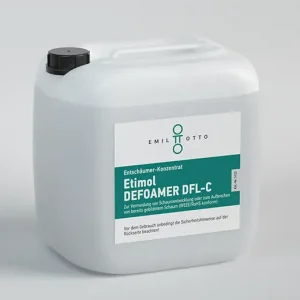
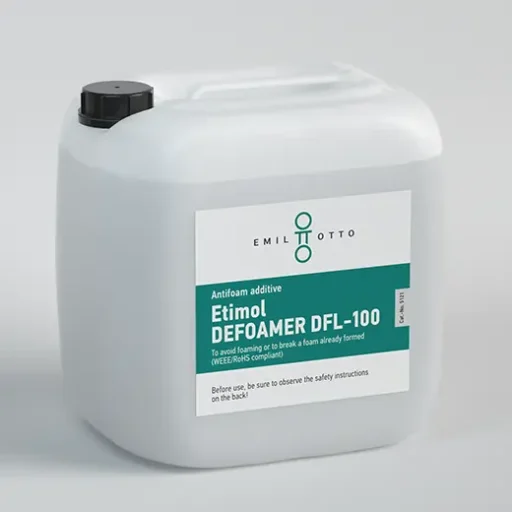
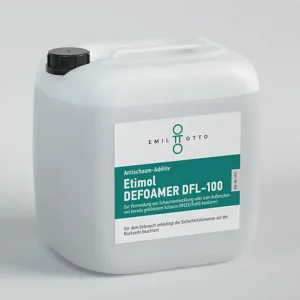
At SMTconnect 2022, Emil Otto will be presenting the two anti-foaming agents to the trade public for the first time at a trade fair. The ready-to-use Etimol Defoamer DFL-100 has been specially developed for the EO cleaners and Etimol cleaning media to prevent foam formation during spraying and rinsing or to break up foam that has already formed. In addition, Etimol Defoamer DFL-C has been developed as a concentrate that also reduces and inhibits the formation of foam during the foaming of the cleaning bath. This concentrate was also developed for the EO cleaners, in particular for the ETIMOL cleaning media. The high-performance concentrate is very effective even in very small quantities.

You can find more information online or visit our stand at SMTconnect in Hall 4, Stand 335.

Visit Emil Otto at the SMTconnect
Emil replies

Decorative picture

Ready-to-use defoamers can be used immediately. Concentrates, on the other hand, are dispensed in precise doses and can be adjusted to suit the specific foam formation and cleaning process.

Decorative picture

The defoamer should be compatible with the cleaning medium used, the system design, and the residues present. Dosage, process conditions, and the desired cleaning quality should also be taken into account when making a selection.

Decorative picture

An anti-foaming agent is useful when unwanted foaming occurs during aqueous cleaning processes. It can reduce foaming and thereby contribute to a more stable and reliable cleaning process.

Decorative picture

Excessive foaming can interfere with automated cleaning processes and put a strain on equipment components such as valves or pumps. Targeted foam control may therefore be necessary, particularly in the case of water-soluble flux residues.