
THT components with nickel or brass pins are used in electronic assemblies for a variety of applications. They are particularly relevant in the aerospace industry and in military systems, where the electrical and mechanical properties of the pin materials used play an important role.
At the same time, nickel and brass pins place special demands on the soldering process. Their surfaces are difficult to wet. Even longer wetting times or higher temperatures do not necessarily produce the desired result and can also cause thermal stress on the printed circuit board or adjacent components.
Therefore, reliable processing requires suitable flux and a soldering process tailored to the specific application.
Nickel and brass pins in demanding THT applications
THT components with nickel and brass pins are frequently used in long-lasting electronic devices. Brass pins, in particular, offer high mechanical strength.
In the aerospace industry, THT components with nickel pins are used because of their reliability and resistance to corrosion and wear. Electronic components must function reliably even under extreme conditions.
Similar requirements apply to military applications. THT components with nickel pins are found, for example, in military communications equipment and other critical systems. However, the reliable processing of these pin materials is challenging.
Nickel oxide hinders wetting during the soldering process
A major challenge in soldering nickel is the formation of nickel oxide.
Nickel oxide has excellent insulating properties and acts as a barrier on the surface. This makes wetting during soldering much more difficult.
Conventional fluxes may reach their limits when used on such surfaces. Therefore, special fluxes are required for processing nickel pins.
These must fulfill several tasks:
- enable the processing of the nickel surface
- promote good soldering properties
- not interfere with the wave or selective soldering process
- enable reliable processing within specified process parameters
- protect the nickel surface from further oxidation
We have developed special fluxes based on a carboxylic acid complex to meet these requirements.
Special fluxes prepare nickel pins for further processing
Fluxes play an important role not only during the actual soldering process.
Dipping the pins in a flux based on a carboxylic acid complex removes the existing oxide layer. At the same time, the pins are protected from further contamination and surface changes. As a result, the treated pins can either be processed immediately or stored for later use.
This is particularly relevant in industrial manufacturing processes, as the surface finish of the pins can have a direct impact on subsequent processing
Flux must be compatible with wave and selective soldering processes
A suitable flux for nickel and brass pins must do more than simply ensure wetting.
It is equally important that it does not interfere with the existing manufacturing process. In wave and selective soldering, it must still be possible to reliably maintain the defined process parameters. This results in several requirements for a flux, even though its primary purpose in the process is simply to support the processing of a specific pin type.
Therefore, when selecting the appropriate product, both the pin material and the actual soldering process must be taken into account.
Flux pastes for the repair and rework of printed circuit boards
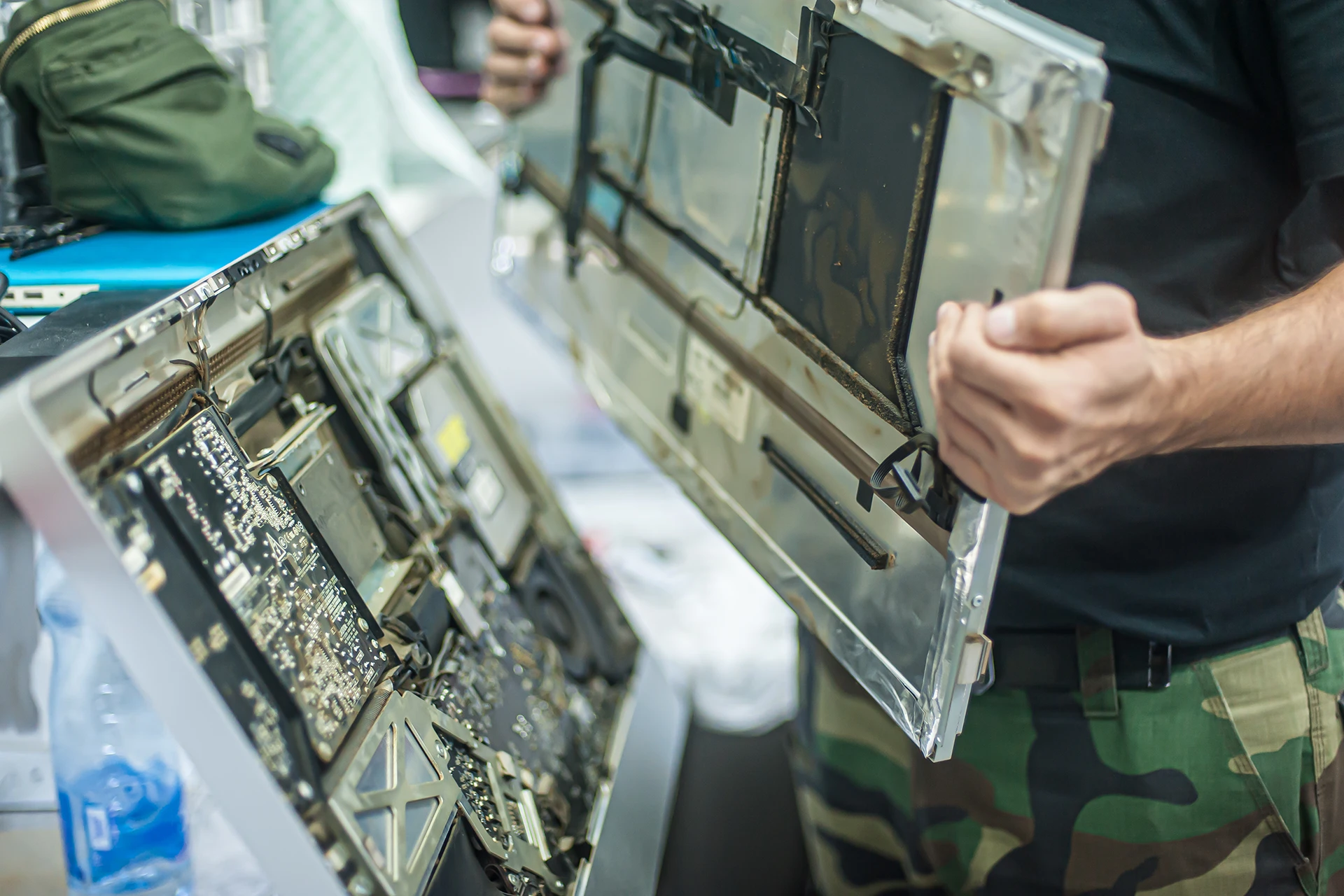
In addition to initial manufacturing, the processing of sophisticated materials also plays a role in repair and rework processes. Security and defense systems, in particular, can be exposed to harsh and demanding environmental conditions over long periods of time. In the event of a failure, it may be necessary to replace entire assemblies, individual components, or, for example, a connector.
For such rework applications, Emil Otto offers, among other products, the following two flux pastes:
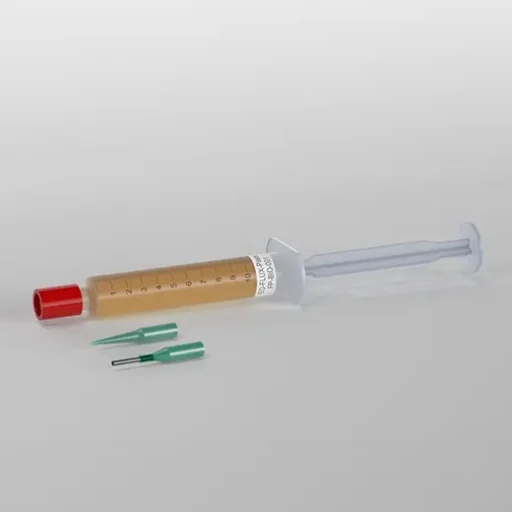
EO-FLUX-Paste (BIO-BASED) FP-BIO-001 „EO B-Power”
High-quality electronics production and repair work on PCBA
No Clean-Flux paste “BIO-BASED” with a new and high effective activator formulation
Rosin-free (WEEE/RoHS compliant)
Type ISO-9454: 1131 (1.1.3.C) // EN 61190-1-1 (J-STD-004: L0) // IEC: RO-BIO L0
EO-FLUX-Paste (BIO-BASED) FP-BIO-002 „EO B-Power”
High-quality electronics production and repair work on PCBA
No Clean-Flux paste “BIO-BASED” with a new and high effective activator formulation
Rosin-free (WEEE/RoHS compliant)
Type ISO-9454: 1131 (1.1.3.C) // EN 61190-1-1 (J-STD-004: L0) // IEC: RO-BIO L0
EO B-Power for good wetting and penetration properties
FP-BIO-001 and FP-BIO-002 are bio-based and formulated with the B-Power activator complex. This activator complex consists of specially balanced natural and high-purity substances. The main components include special waxes and resins. They do not contain colophony resins or synthetic resins.
Both flux pastes are characterized by high activity tailored to the soldering process, as well as excellent wetting and through-hole filling properties. As a result, the pastes can be applied sparingly and are suitable for use in both high-quality electronics manufacturing and the repair of printed circuit boards.
Reliable manufacturing for durable electronic assemblies
Nickel and brass pins offer important properties for durable and mechanically demanding electronic assemblies. At the same time, their surfaces pose special challenges for processing. Nickel oxide, in particular, can significantly impair wetting. Specially formulated fluxes can help remove the oxide layer, prepare the surface for further processing, and protect it from further contamination or surface changes.
The bio-based no-clean flux pastes FP-BIO-001 and FP-BIO-002 also provide solutions for demanding soldering tasks in repair and rework processes.
We would be happy to provide you with personalized advice on selecting the right flux and tailoring it to the requirements of your soldering process.